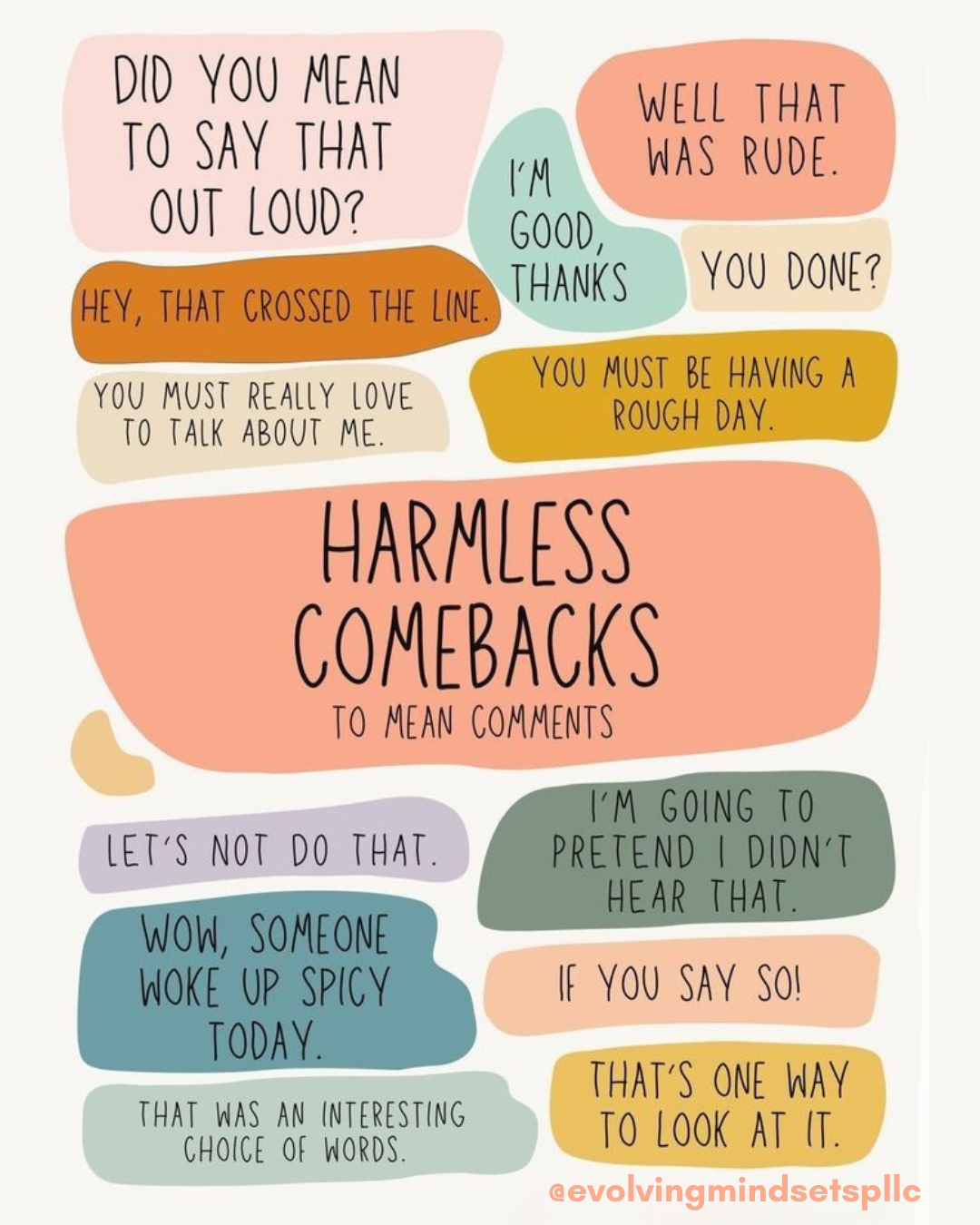
Harmless Comebacks to Mean Comments: Protecting Your Peace Without Losing Yourself
We’ve all been there.
A comment that feels sharp.
A joke that doesn’t land.
A “harmless” remark that quietly crosses the line.
Mean or passive-aggressive comments can catch us off guard. In the moment, we may freeze, overreact, or replay the interaction in our minds for hours afterward. But what if responding didn’t have to mean escalating?
What if you could protect your peace without becoming combative?
Why Deep Breathing Is One of the Most Powerful Coping Skills
When life feels overwhelming, most people look for ways to calm down, feel grounded, or regain control of their emotions. While there are many coping skills that can help, one of the most effective tools is something we do every single day without even thinking about it: breathing.
Deep breathing is often called one of the best coping skills because it is simple, accessible, and incredibly effective. You can do it anywhere — at school, at work, in the car, before a difficult conversation, or during moments of anxiety and stress. No equipment is needed, and it only takes a few moments to make a difference.

Sit With That Feeling: Why It Matters More Than You Think
We live in a world that constantly pushes us to move faster, do more, and “stay positive.” Somewhere along the way, many of us learned to avoid uncomfortable emotions—brushing them off, distracting ourselves, or labeling them as “bad.” But what if the real growth comes from doing the opposite?
What if, instead of running, you simply sat with the feeling?
The Coping Skills Alphabet: Simple Mental Health Tools for Every Age
Life can feel overwhelming at times — for children, teens, and adults alike. Whether it’s school stress, work pressure, anxiety, family changes, or simply managing everyday emotions, having healthy coping skills can make a meaningful difference in emotional well-being.
At our practice, we believe coping skills should be approachable, practical, and adaptable for every stage of life. That’s why we love the idea of a “Coping Skills Alphabet” — a simple reminder that there are many ways to support our mental and emotional health.
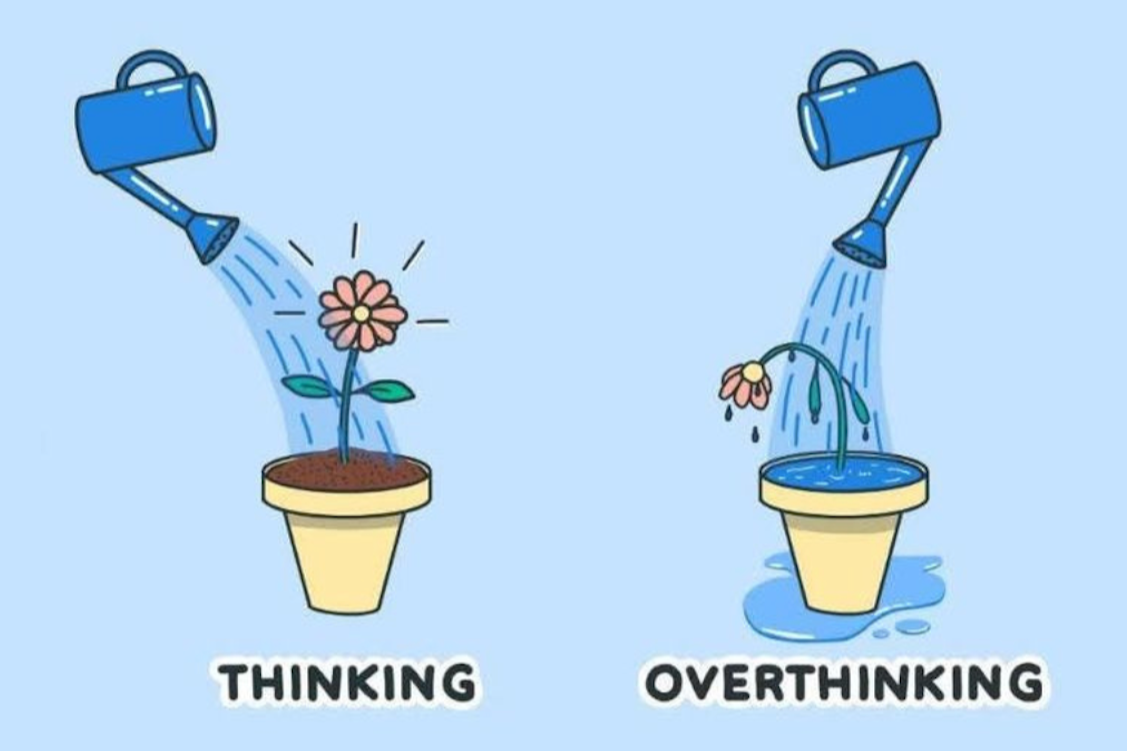
The Poison Is in the Dosage: When Thinking Turns Into Overthinking
We’re often told to “think things through.”
To reflect.
To be mindful.
To consider the consequences.
And that’s good advice.
Thinking is one of our greatest tools. It helps us solve problems, learn from experience, and make intentional choices. Healthy thinking builds awareness. It helps us grow.
But like water to a plant, the benefit depends on the dosage.

The Most Important Valentine? You 💛
Every February, hearts, flowers, and chocolates take over the world as reminders of love. Valentine’s Day is often framed around romantic relationships, but there’s one relationship we sometimes forget to celebrate: the one we have with ourselves.

✨ New Year, Gentle Goals: Prioritizing Mental Health in 2026 ✨
As a new year begins, many of us think about resolutions — the things we “should” do, achieve, or improve.

🌦 Understanding Seasonal Depression: What You Need to Know
As the seasons change, many people notice a shift in their mood, energy, and motivation.

✏️ Easing the Back-to-School Transition: A Therapist’s Guide for Parents and Kids 📓
As summer winds down and the school year approaches, families often feel a mix of emotions—excitement, nervousness, anticipation, and sometimes even dread.

🧠 Raising Resilient Kids: Why Coping Skills Are Essential for Emotional Regulation
As parents, we want nothing more than for our kids to feel safe, supported, and capable of handling life’s challenges. But the reality is, life can be overwhelming—especially for children and teens navigating big emotions in a fast-paced, often stressful world.
That’s where coping skills come in.
Helping your child build a strong emotional toolkit isn’t just helpful—it’s critical for their mental health and development.

💤 Why Sleep Hygiene Is Important for Your Health and Well-Being? 💤
In today’s busy world, sleep often gets pushed aside in favor of work, social activities, and screen time.